Brick Wall Weatherproofing: How Sealants Prevent Spalling
Brick is one of the most durable building materials available, yet it is not immune to moisture damage. Across the Hawkesbury region, homes and commercial buildings face a demanding mix of humidity, heavy seasonal rainfall, river-valley dampness, summer heat and occasional frost in cooler pockets. Over time, these conditions can cause the face of a brick to flake, crumble or pop off. This failure is called spalling, and it is one of the most common reasons property owners seek brick deterioration repair. Understanding how sealants work is a practical first step in brick wall weatherproofing and long-term protection.
What Is Spalling and Why Does It Happen?
Spalling occurs when the outer surface of a brick separates from the body of the unit. Bricks are porous by design. They absorb and release small amounts of moisture, which is normal. Problems start when too much water enters and cannot escape quickly enough, or when that water carries dissolved salts into the brick.
Freeze-Thaw and Thermal Cycling
When absorbed water freezes, it expands by roughly nine percent. In areas that experience cold mornings, repeated freezing and thawing places internal stress on the brick face. Even in milder climates, daily temperature swings cause bricks and mortar to expand and contract at different rates. This movement strains the bond between materials and contributes to cracking, which opens new pathways for water.
Salt Crystallisation
Water moving through masonry can carry soluble salts from soil, mortar or the brick itself. As the water evaporates near the surface, salts crystallise and expand within the pores. This pressure gradually breaks the face away from the brick. White, powdery deposits known as efflorescence are an early warning sign.
Failed Mortar and Poor Drainage
Deteriorated mortar joints allow water to bypass the brick face and saturate the wall. Blocked or leaking guttering can then compound the problem by sending concentrated water down a wall repeatedly. This is why brick joint repair and effective drainage are closely linked to spalling prevention.
How Sealants Help Prevent Spalling
A quality masonry sealer reduces the amount of liquid water that enters the brick while still allowing water vapour to escape. This balance is critical. A sealant that traps moisture inside the wall can actually accelerate spalling, so product selection matters.
Penetrating Water Repellents
Silane and siloxane-based sealers soak into the brick and line the pores with a water-repellent barrier. They do not form a thick surface film, so the brick remains breathable and its appearance changes very little. For most residential brick facade repair and protection projects, breathable penetrating sealers are the preferred option because they support brick durability enhancement without trapping vapour.
Film-Forming Sealers
Acrylic and similar film-forming coatings create a visible layer on the surface. They can deepen colour or add sheen, but they are more prone to peeling and can trap moisture if applied over damp or salt-laden brick. They are generally suited to specific situations and should only be used when the wall is dry, sound and properly prepared.
Benefits of Correct Sealing
- Reduced water absorption, helping limit freeze-thaw and salt damage
- Better brick erosion control on exposed elevations
- Less staining, mould and algae growth on shaded or damp walls
- Improved brick structural integrity over the long term
- Modest gains in brick thermal insulation performance, since dry masonry conducts heat less readily than saturated masonry
Preparation Matters Before Sealing
Sealant performance depends heavily on the condition of the wall beneath it. Applying product over defective masonry only hides problems temporarily. A thorough assessment should come first.
Inspect and Repair First
Check for cracked bricks, open joints, failed expansion joints and areas of crumbling mortar. Brick repointing services remove deteriorated mortar and replace it with a compatible mix. This is a core part of brick mortar restoration and should be completed before any sealer is applied. Using mortar that is harder than the surrounding brick, especially on older heritage buildings, can cause the brick to spall, so matching mortar strength is essential.
Where movement is occurring, brick expansion joint repair may be needed to allow the wall to move without cracking. Severely damaged sections may call for brick structural repair or, in extreme cases, brick wall reconstruction.
Clean and Dry the Surface
Remove dirt, moss, efflorescence and old failed coatings. Low-pressure washing is generally recommended, because high pressure can erode the brick face and force water deeper into the wall. Allow the masonry to dry fully, typically several days of dry weather, before applying any sealer.
Water Management Around the Whole Building
Sealing a wall is only one part of a broader moisture strategy. Water that is directed onto brickwork by faulty roof and drainage components will eventually overwhelm even a well-sealed wall.
Gutters and Drainage
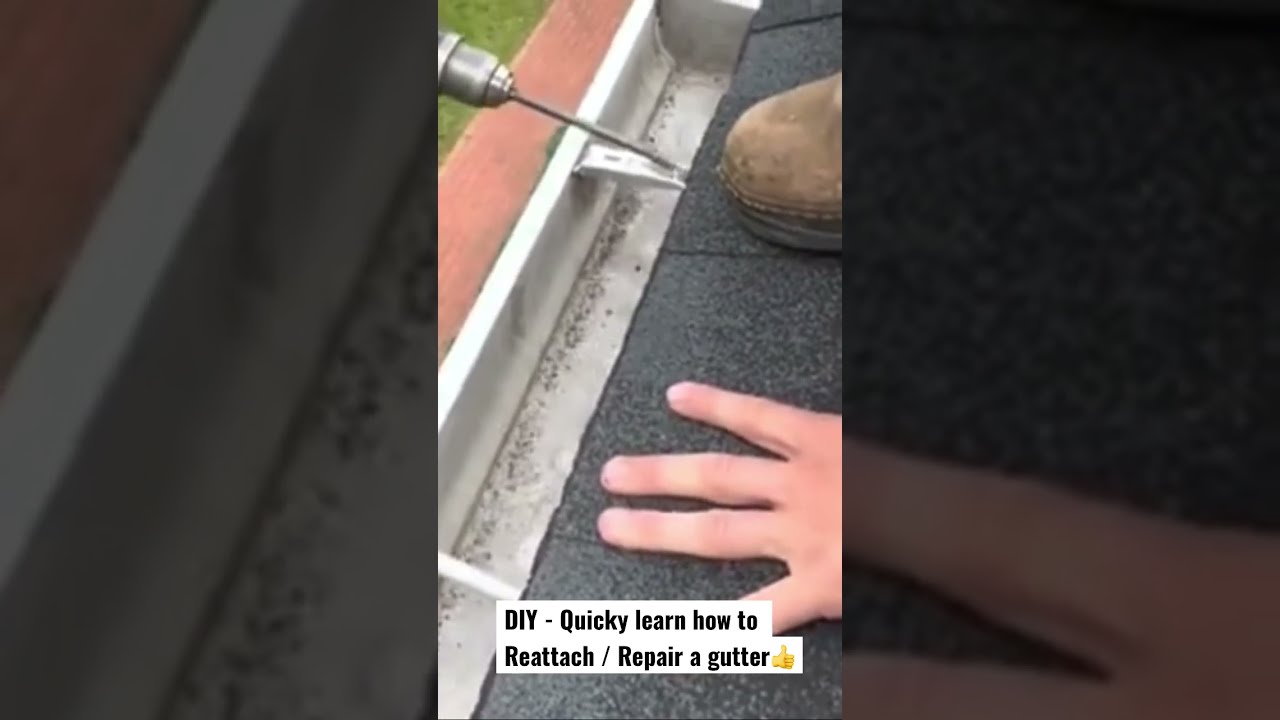
Overflowing or leaking gutters are a leading cause of localised brick saturation. Damaged gutter repair, aluminum gutter repair and copper gutter maintenance help keep water moving away from walls. For larger properties, commercial gutter services and comprehensive gutter services can address long runs, high elevations and multiple downpipes. Advanced gutter solutions and comprehensive drainage solutions also include correct fall, adequate downpipe capacity and ground drainage that carries water away from foundations.
Roof Condition
Roof leaks, failed flashings and worn roofing materials can allow water to run into wall cavities or down brick faces. Depending on the building, this may involve asphalt shingle replacement, cedar shake replacement, advanced roof repair or comprehensive roof repair. Where deterioration is widespread, comprehensive roof replacement, complete roof installation or comprehensive roof reroofing may be more cost-effective than ongoing patching. For business premises, commercial roofing, commercial roof repair and commercial roof solutions protect parapet walls and brick facades from persistent water exposure. Choosing certified roof repair https://beautzyl686.theburnward.com/key-steps-in-attic-ventilation-installation-for-homes or certified roof reroofing helps ensure work meets recognised standards.
Ventilation and Moisture Control
Poorly ventilated roof spaces trap warm, humid air, which can drive condensation and moisture into surrounding structures. Attic ventilation installation, attic ventilation repair and comprehensive roof venting support attic heat reduction and effective attic cooling methods. Advanced ventilation techniques and customized roof ventilation can be tailored to a building's layout and climate demands, helping keep the overall building envelope drier.
Applying Sealant Correctly
Good results depend on the right product and technique. The following sequence reflects widely accepted practice:
- Assess the wall: Identify moisture sources, spalled bricks, open joints and salt deposits.
- Complete repairs: Replace damaged bricks, carry out brick mortar replacement where needed and address any structural concerns.
- Clean gently: Remove contaminants and let the wall dry thoroughly.
- Test a small area: Confirm the sealer does not darken or alter the brick unacceptably and that it absorbs evenly.
- Apply in suitable weather: Avoid rain, extreme heat, strong wind and surfaces in direct hot sun. Follow the manufacturer's coverage rates.
- Allow proper curing: Keep the surface protected from moisture for the time specified on the product data sheet.
Painted Brick and Commercial Surfaces
Some brick walls are painted rather than left natural. In these cases, breathable masonry paints and compatible primers are essential so that moisture can still escape. Advanced painting techniques include correct surface preparation, salt treatment and the use of vapour-permeable systems. For larger or high-traffic buildings, commercial painting sealing, complete painting sealing and comprehensive painting sealing services coordinate coatings and sealers so that they work together rather than against each other. A comprehensive sealing solution also covers window and door perimeters, expansion joints and junctions between brick and other materials, which are common entry points for water.
Ongoing Brick Wall Maintenance
Regular brick wall maintenance is the most economical way to avoid major repairs. Sealers are not permanent; most penetrating products last several years, and performance varies with exposure, product quality and wall condition. A simple routine helps:
- Inspect walls at least once a year, ideally after the wetter months
- Look for hairline cracks, flaking brick faces, white salt deposits and damp patches
- Clear gutters and downpipes before heavy rain seasons
- Keep garden beds, soil and mulch below the damp-proof course level
- Trim climbing plants that hold moisture against the wall
- Test water repellency by sprinkling water on the wall; if it soaks in rather than beading, resealing may be due
A programme of comprehensive roof maintenance alongside wall inspections allows problems to be caught early, before moisture reaches the masonry.
When to Call a Professional in Hawkesbury
Minor surface sealing may suit confident DIY owners, but professional help is recommended when spalling is widespread, mortar is crumbling extensively, walls show structural cracking or the building is heritage-listed. A qualified contractor can identify underlying moisture sources, recommend suitable materials and deliver comprehensive wall repair that addresses causes rather than just symptoms. Local knowledge is also valuable, because Hawkesbury's climate, soil conditions and building styles influence which sealers, mortars and drainage solutions perform best. Heritage-listed or older properties may also have specific requirements, so confirm any council or conservation guidelines that apply before starting work in 2026.
Key Takeaways
Spalling is driven by trapped moisture, salt crystallisation, thermal movement and failing mortar. Breathable penetrating sealers reduce water uptake while allowing the wall to dry, making them a valuable tool in brick wall weatherproofing. However, sealant works best as part of a complete approach: repair defective joints and bricks first, manage water through sound gutters and roofing, ventilate roof spaces effectively and maintain the wall on a regular schedule. Taking these steps now helps protect your property's appearance, value and structural performance in 2027 and beyond.
Top Hawkesbury Roofer
Bells Line of Rd, Kurmond NSW 2757, Australia
(02) 4503 4545